Hypertension (commonly known as high blood pressure) is one of the most prevalent chronic medical conditions globally. Often referred to as a "silent killer," hypertension typically develops gradually without noticeable early warning symptoms, while progressively placing excess strain on arterial walls, heart muscle, kidney filtration units, and cerebral vasculature.
Blood pressure readings consist of two measurements expressed in millimeters of mercury (mmHg): systolic pressure (the top number measuring pressure during heart contraction) and diastolic pressure (the bottom number measuring pressure when the heart relaxes between beats).
Blood Pressure Categories & Guidelines
Medical literature reference ranges build upon the 2017 AHA/ACC (American College of Cardiology / American Heart Association) classification system alongside clinical diagnostic criteria defined by the World Health Organization (WHO):
| Category | Systolic BP (mmHg) | Diastolic BP (mmHg) | Clinical Guidance | |
|---|---|---|---|---|
| Normal | < 120 | and | < 80 | Maintain healthy lifestyle habits. Re-check annually. |
| Elevated | 120 – 129 | and | < 80 | Implement targeted lifestyle modifications. Re-check in 3–6 months. |
| Stage 1 Hypertension | 130 – 139 | or | 80 – 89 | Lifestyle interventions + medical evaluation for cardiovascular risk. |
| Stage 2 Hypertension | ≥ 140 | or | ≥ 90 | Lifestyle modifications + medical evaluation for antihypertensive medication. |
| Hypertensive Crisis | > 180 | and/or | > 120 | Medical Emergency: Consult a physician immediately or visit emergency care. |
*Diagnostic Note: Per WHO clinical guidelines, a formal diagnosis of hypertension requires systolic BP ≥140 mmHg or diastolic BP ≥90 mmHg recorded on two separate clinical visits by a qualified healthcare professional.
Why Hypertension is Called a "Silent Killer"
The vast majority of individuals living with high blood pressure experience no symptoms at all. However, when arterial pressure remains severely elevated or surges rapidly, noticeable symptoms may emerge:
- Persistent morning headaches (particularly in the back of the head/occipital area)
- Dizziness, lightheadedness, or feeling faint
- Blurred vision or visual disturbance
- Shortness of breath during mild exertion
- Chest tightness or mild discomfort
- Unexplained nosebleeds (epistaxis)
Causes & Risk Factors
Clinical practice categorizes hypertension into two major entities:
- Primary (Essential) Hypertension: Accounts for over 90% of adult cases. It develops gradually due to combined environmental, genetic, metabolic, dietary sodium excess, and aging factors.
- Secondary Hypertension: Occurs secondary to an underlying disease process such as chronic kidney disease, renal artery stenosis, endocrine disorders (Cushing's syndrome, primary hyperaldosteronism, pheochromocytoma), or obstructive sleep apnea.
10 Evidence-Based Steps to Prevent & Manage High Blood Pressure
- Restrict Dietary Sodium: Maintain total daily salt intake below 5 grams per day (equivalent to less than 2,000 mg of sodium), as recommended by the World Health Organization. Limit ultra-processed foods, commercial pickles, and packaged snacks.
- Increase Potassium-Rich Foods: Consume fresh leafy vegetables, bananas, lentils, and coconut water (unless restricted by renal disease).
- Adopt a DASH-Style Eating Plan: Focus on whole grains, fruits, vegetables, pulses, lean poultry, and low-fat dairy while reducing refined sugars and saturated fats.
- Maintain Healthy Body Weight: Target a healthy BMI (18.5 – 22.9 kg/m² for South Asian adults). Weight loss of even 3–5 kg yields meaningful blood pressure reductions.
- Engage in Regular Aerobic Activity: Aim for at least 150 minutes of moderate-intensity exercise (brisk walking, cycling, swimming) per week.
- Limit Alcohol & Avoid Tobacco: Smoking damages arterial endothelium immediately, while alcohol intake raises systemic vascular resistance.
- Manage Stress & Sleep Well: Prioritize 7–9 hours of sleep nightly and practice daily relaxation techniques.
- Monitor BP Accurately at Home: Keep a structured weekly log using a validated upper-arm digital cuff.
- Use Over-the-Counter Medications Guardedely: Frequent use of NSAID painkillers (e.g., ibuprofen, diclofenac) and nasal decongestants can raise blood pressure. Consult your doctor before taking OTC medicines.
- Adhere to Doctor-Prescribed Medications: When lifestyle changes are insufficient, taking prescribed antihypertensive medications (e.g., ARBs, ACE inhibitors, Calcium Channel Blockers) regularly under physician guidance prevents heart attacks and strokes.
How to Accurately Measure Blood Pressure at Home
- Sit quietly with your back supported for 5 minutes before taking a reading.
- Keep your feet flat on the floor with legs uncrossed.
- Rest your arm on a table so the cuff sits at heart level.
- Use an upper-arm digital cuff (avoid wrist devices as they are less accurate).
- Take 2 readings 1 minute apart and record the average in your journal.
If your blood pressure reading exceeds 180/120 mmHg AND you experience any of the following severe red-flag symptoms:
- Chest pain, pressure, or tightness
- Sudden shortness of breath or difficulty breathing
- Sudden numbness, weakness, or facial drooping
- Confusion, difficulty speaking, or sudden vision loss
- Severe, unbearable headache
DO NOT WAIT AT HOME. Call emergency medical services (102 or 112 in India) or visit the nearest hospital emergency department/casualty immediately.
Frequently Asked Questions (FAQs)
An ideal blood pressure reading for a healthy adult is below 120/80 mmHg.
Because it often presents no symptoms while gradually causing irreversible damage to heart arteries, kidney filtration units, and brain vessels.
Total daily salt intake should not exceed 5 grams (approximately 1 teaspoon), which equals roughly 2,000 mg of sodium per WHO guidelines.
Essential hypertension is generally a manageable chronic condition. With disciplined lifestyle changes and prescribed medication under medical guidance, blood pressure can be effectively controlled long-term.
Use an automatic upper-arm digital cuff, sit comfortably for 5 minutes prior, keep your arm supported at heart level, and record the average of two readings.
Yes, blood pressure naturally rises shortly before waking up due to circadian hormonal surges (morning surge).
Acute stress causes temporary blood pressure spikes. Chronic unmanaged stress contributes to long-term vascular strain when paired with poor sleep and unhealthy coping habits.
Leafy greens, spinach, beetroot, garlic, oats, berries, unsalted seeds, and potassium-rich fruits support vascular health.
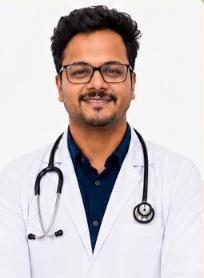
You should consult Dr. Rishabh Jain, MD Medicine if your blood pressure repeatedly reads above 130/80 mmHg, if you experience symptoms like headaches or dizziness, or if you need structured medication review through REVA Health's Consultation Packages.
- Learn more about Dr. Rishabh Jain, MD Medicine (VMMC & Safdarjung, RML, AIIMS experience).
- View our medical consultation plans on the REVA Health Packages Page.
- Explore conditions treated on our Supported Medical Conditions Page.
- Return to the REVA Health Medical Journal Hub.